Diabuddies is an app that connects young people with Type 1 Diabetes to mentors that help guide them through the transition from pediatric to adult care.
Timeline: October 2020 - December 2020
Role: UX/UI Designer & Researcher (1 of 4)
Responsibilities: Research, Ideation, Prototyping, Visual Design, Usability Testing
Mentors: Lars Mueller & Heidi Rataj
Diabetes Design Initiative at UC San Diego
The Diabetes Design Initiative is a partnership between Dexcom, Tandem, UCSD Design Lab, and UC San Diego Health System. It aims to support the diabetes community and improve everyday diabetes management by discovering new ways to redesign healthcare technology.



Narrowing down a problem
Unlike other teams working in the Diabetes Design Initiative, our team wasn’t given a specific design brief to start with. We were all interested in learning about designing for the healthcare space, and were given the opportunity to create a solution for any diabetes related problem.
In keeping with this quarter’s DDI theme of empathy, we reached out directly to the T1D community to find out the problems they felt needed addressing. We hosted an ideation workshop with the SoCal Loop & Learn group where we had an open discussion about the everyday issues people with diabetes (PWD) have. Our workshop attendees ranged in age and experience living with T1D and provided us with helpful insight about the effort involved with simply keeping oneself alive on a daily basis.
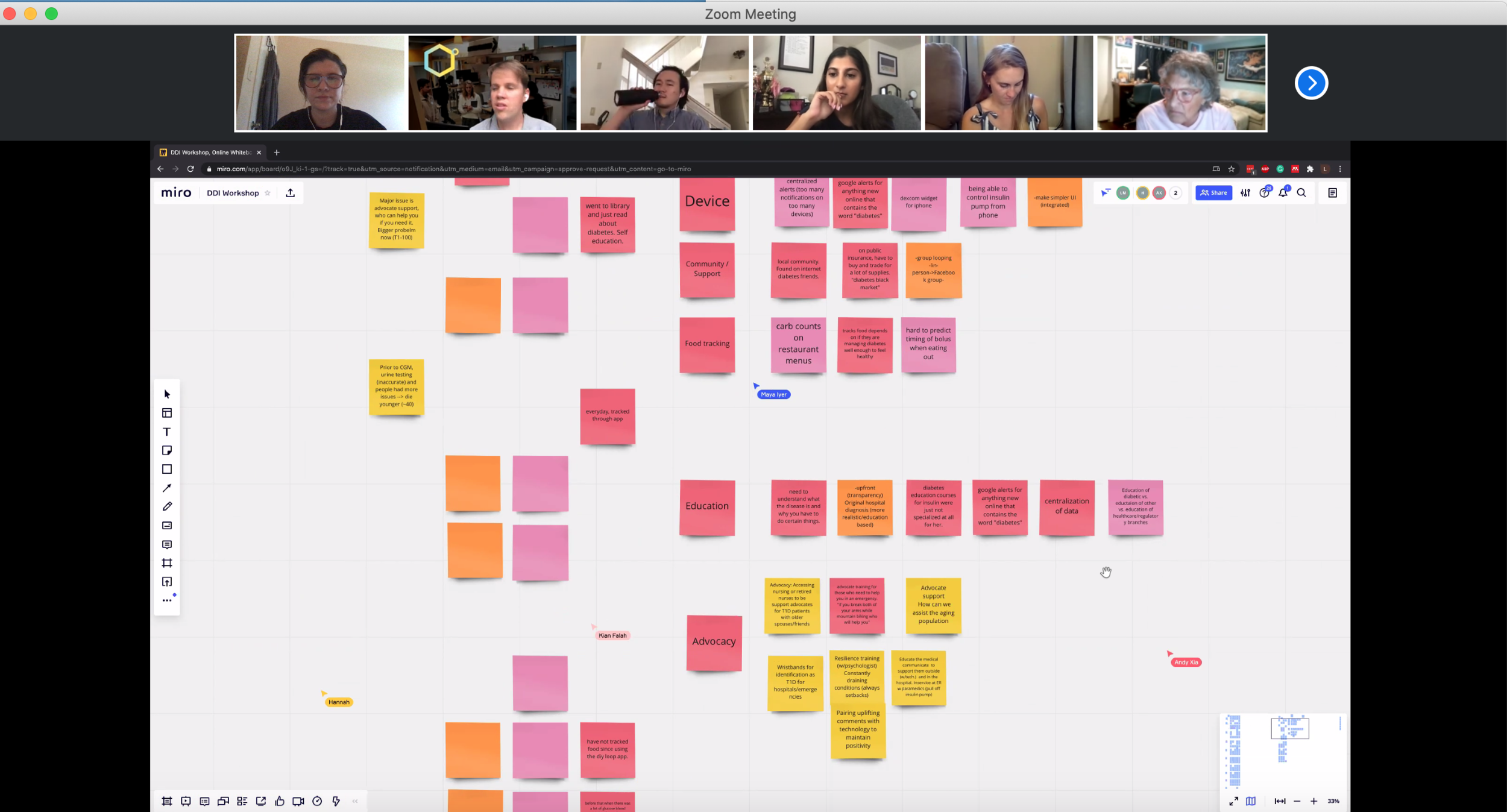
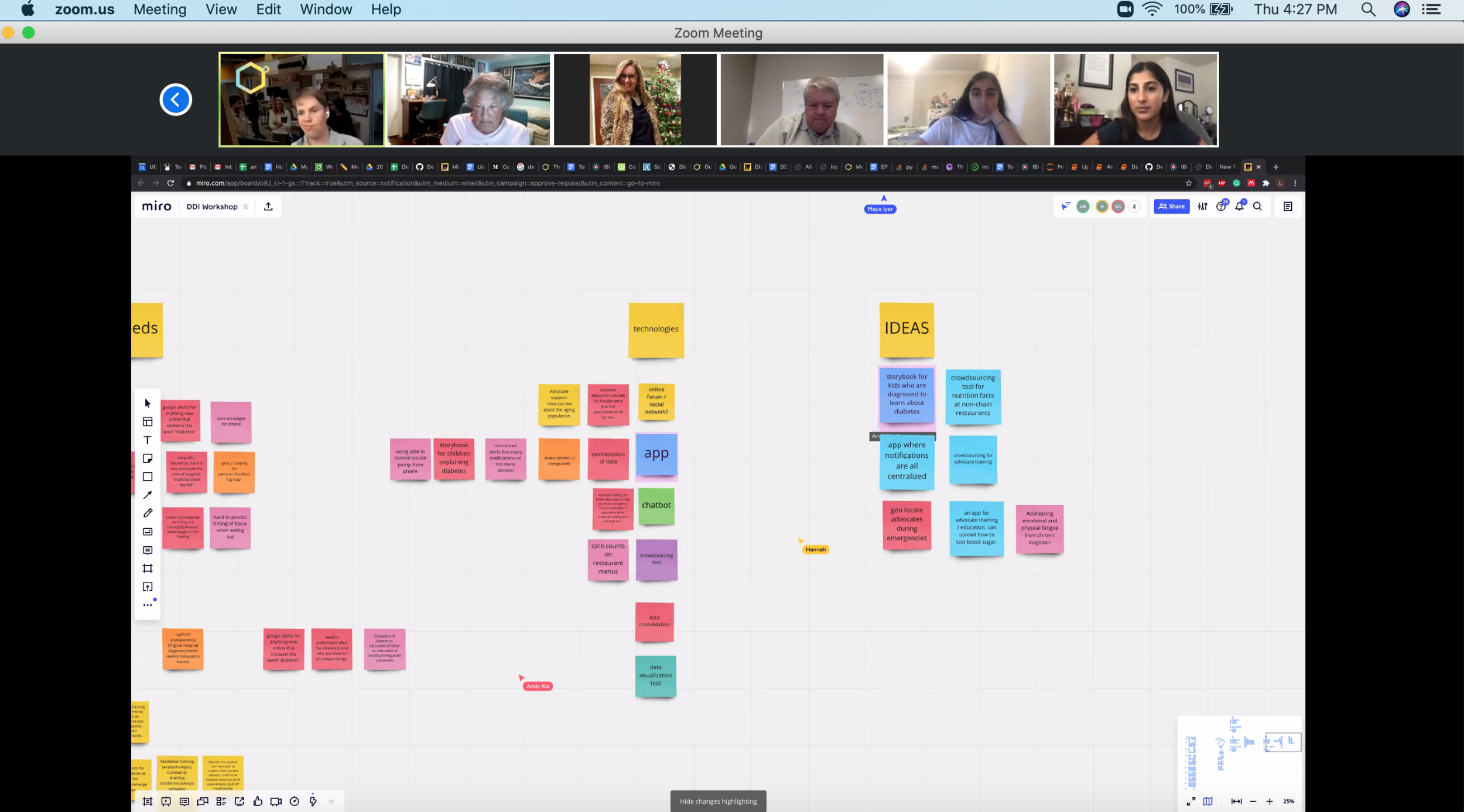
We talked about many problems relating to diabetes technology and devices, community and mental health support, carb tracking, education, and more. Then we matched those needs to platforms that could help solve the problem, such as an app, online forum, chatbot, or website.
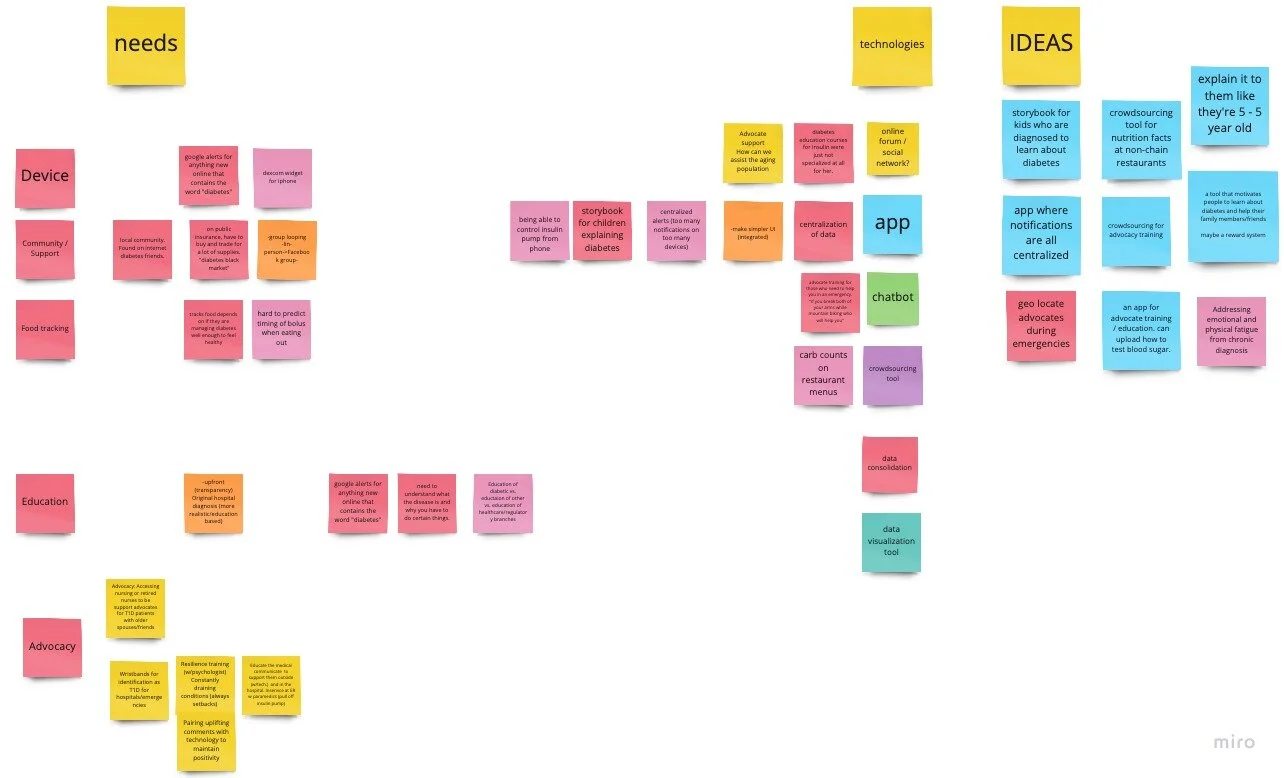
After the workshop, our group narrowed down our scope and decided to focus on solving the problem of the lack of community and educational resources for newly diagnosed PWDs.
The next part of the need-finding process included talking to Bill Polonsky, founder of the Behavioral Diabetes Institute, about how we could better support young people with T1D. He told us this shocking statistic:
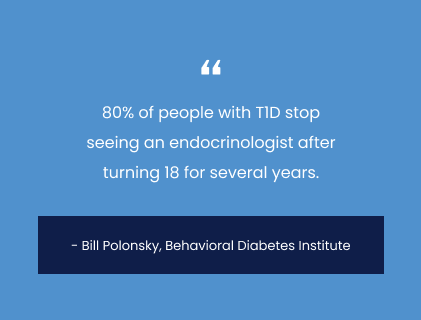
This drop in care can result in long-term, irreversible damage to the health of these young people. This age group is also particularly vulnerable because they are no longer under the official care of their guardians, and they have to navigate diabetes management in a new environment if they leave home to attend college.
Now that we had finalized our target audience (teenagers getting ready to transition to adult care), we did in-depth interviews with students aged 16-17 to hear their perspectives about living with T1D.
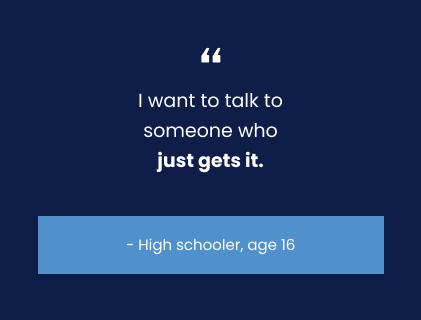
Here are some things we learned from those interviews:
Students with T1D have a strong desire to connect with other people their age who “just get” the experience of living with T1D
Teens expressed interest in talking to older people with T1D to learn about what to expect when going to college and just to gain wisdom from someone other than their endocrinologist
They are mostly aware of the effects of alcohol and drugs on the body in relation to their diabetes, but they haven’t learned this information from their parents or pediatric endocrinologists
Our Challenge
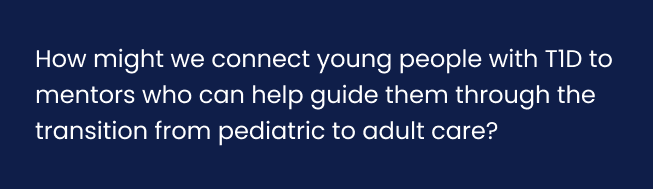
Why we chose the mentor/mentee relationship to solve this problem:
We learned that in the T1D community, having a solid support system is crucial. Cassidy & Joanne, from the SoCal Loop & Learn group, stressed the importance of having a community to rely on and explained how important it was to have a fellow Diabuddy to advocate for one another. The success of a Diabuddy relationship is exemplified in Cassidy & Joanne’s long-lasting friendship. We hope that our app can provide a foundation for a strong relationship outside the digital world too.
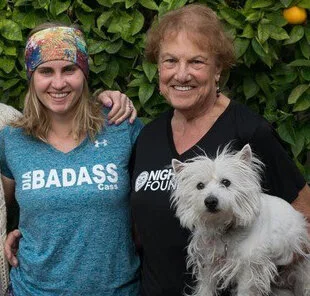
type 1 diabetes is an all-encompassing, minute by minute, life or death disease that normal, everyday people are given the responsibility of managing with very little training. it can be extremely isolating and isolated is how i felt until i met my diabuddy joanne. with joanne by my side through successes, failures, questions, new devices and paradigm shifts in diabetes i am a better caretaker of my physical condition and my personal well being. i am often comforted knowing joanne will be there for me if i have a question, an idea or just need someone who gets it to vent my frustrations to. - Cassidy R.
Ideating
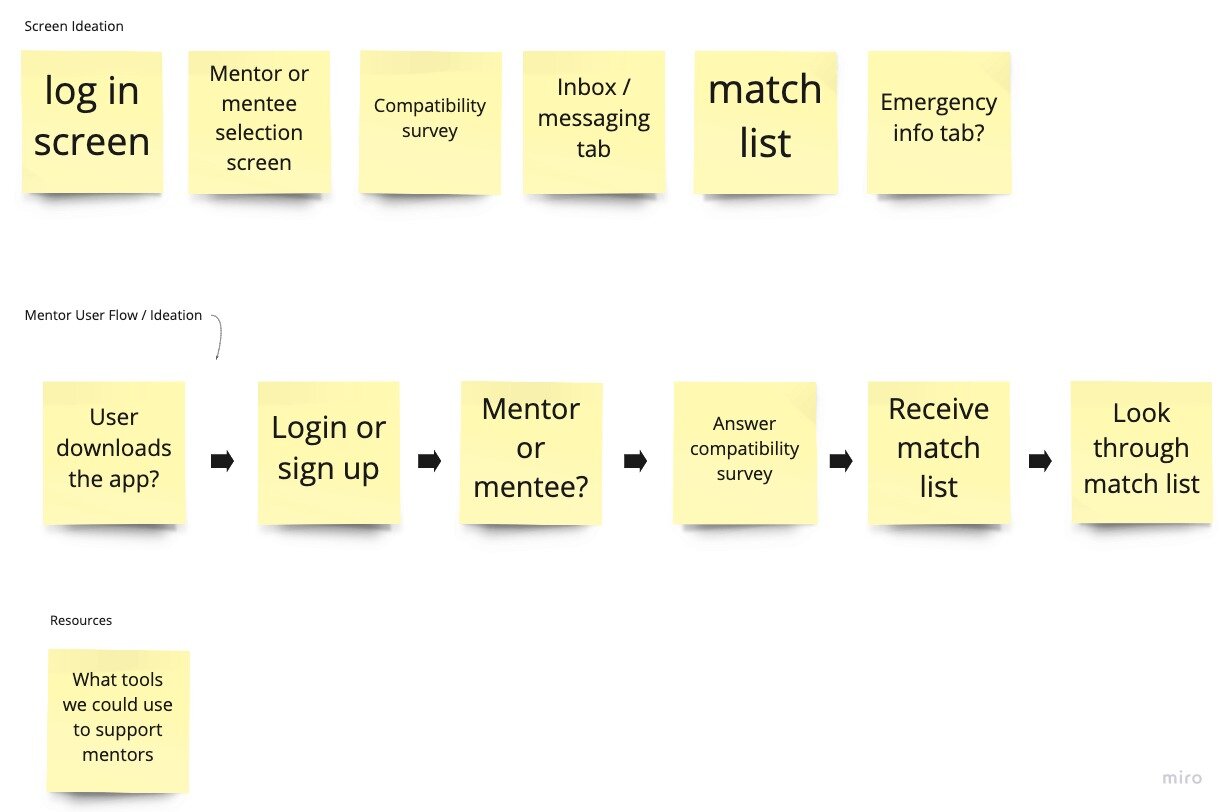
We started by creating personas for mentors and mentees to get a sense of who were designing for. Who are they and why would they want to use our product?
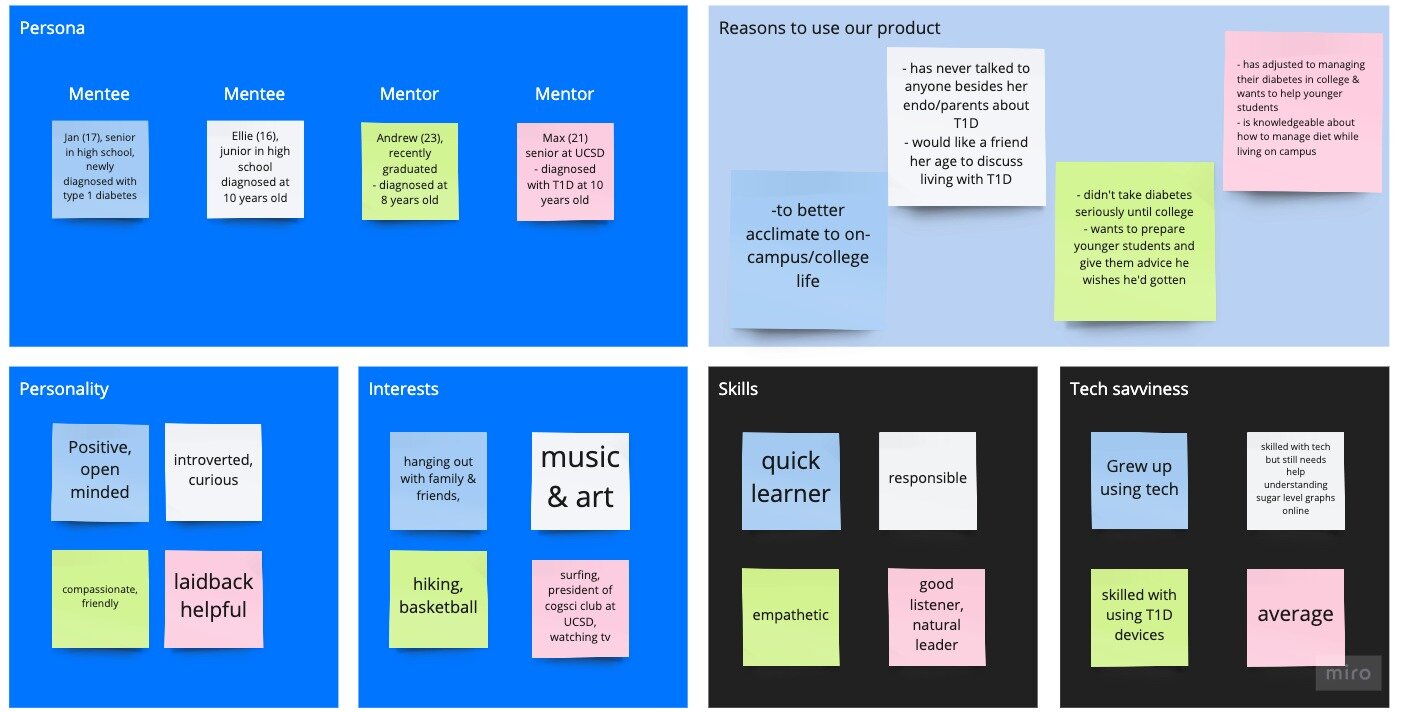
We also created user flows to understand how a mentor/mentee would utilize the app, and this helped us ideate the specific features that we would need to design.
Designing the app
My teammates and I each designed wireframes on our own and then we took each other’s best ideas to create the final high fidelity prototype.
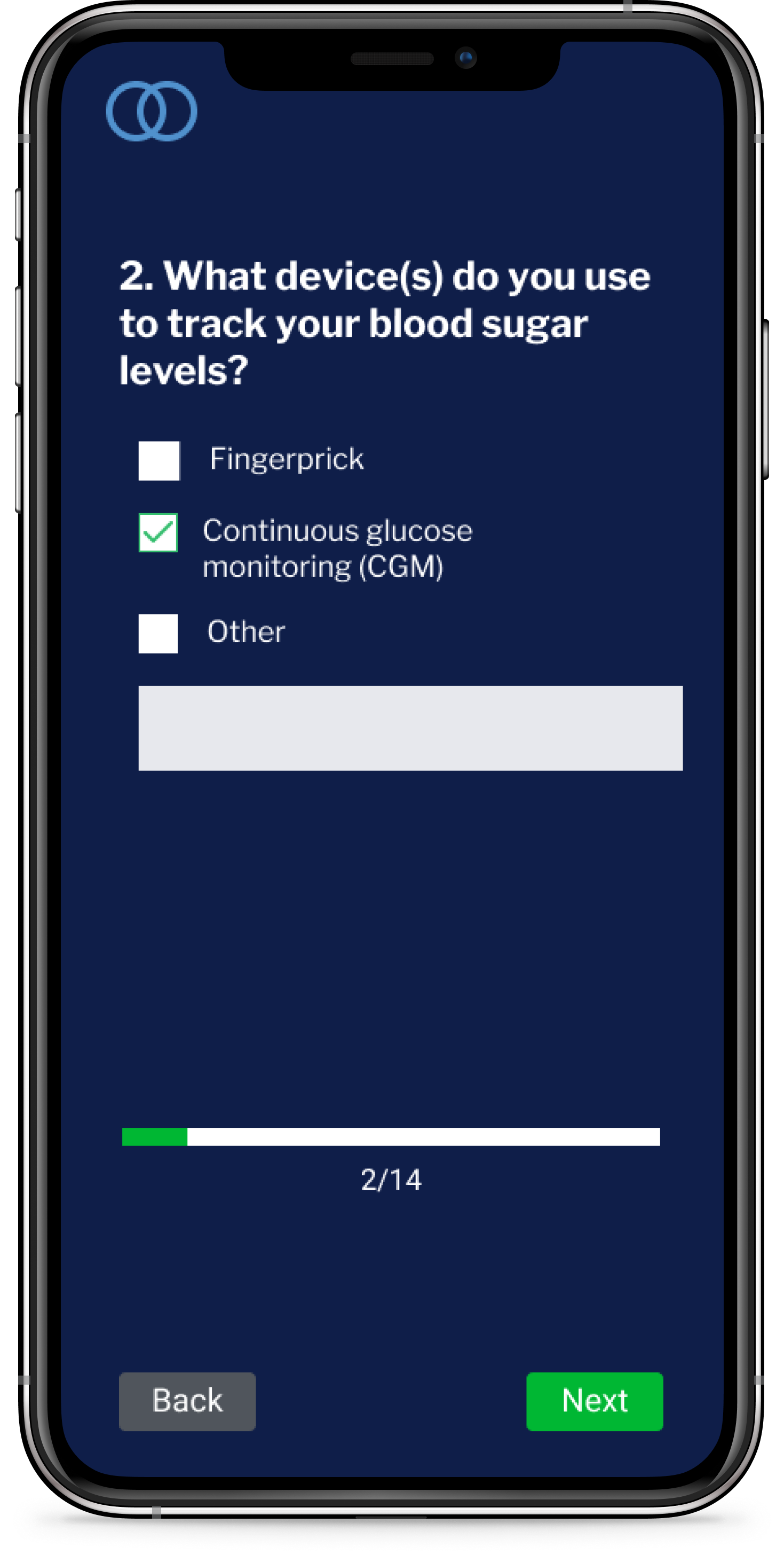
Step 1: Fill out survey about diabetes management.
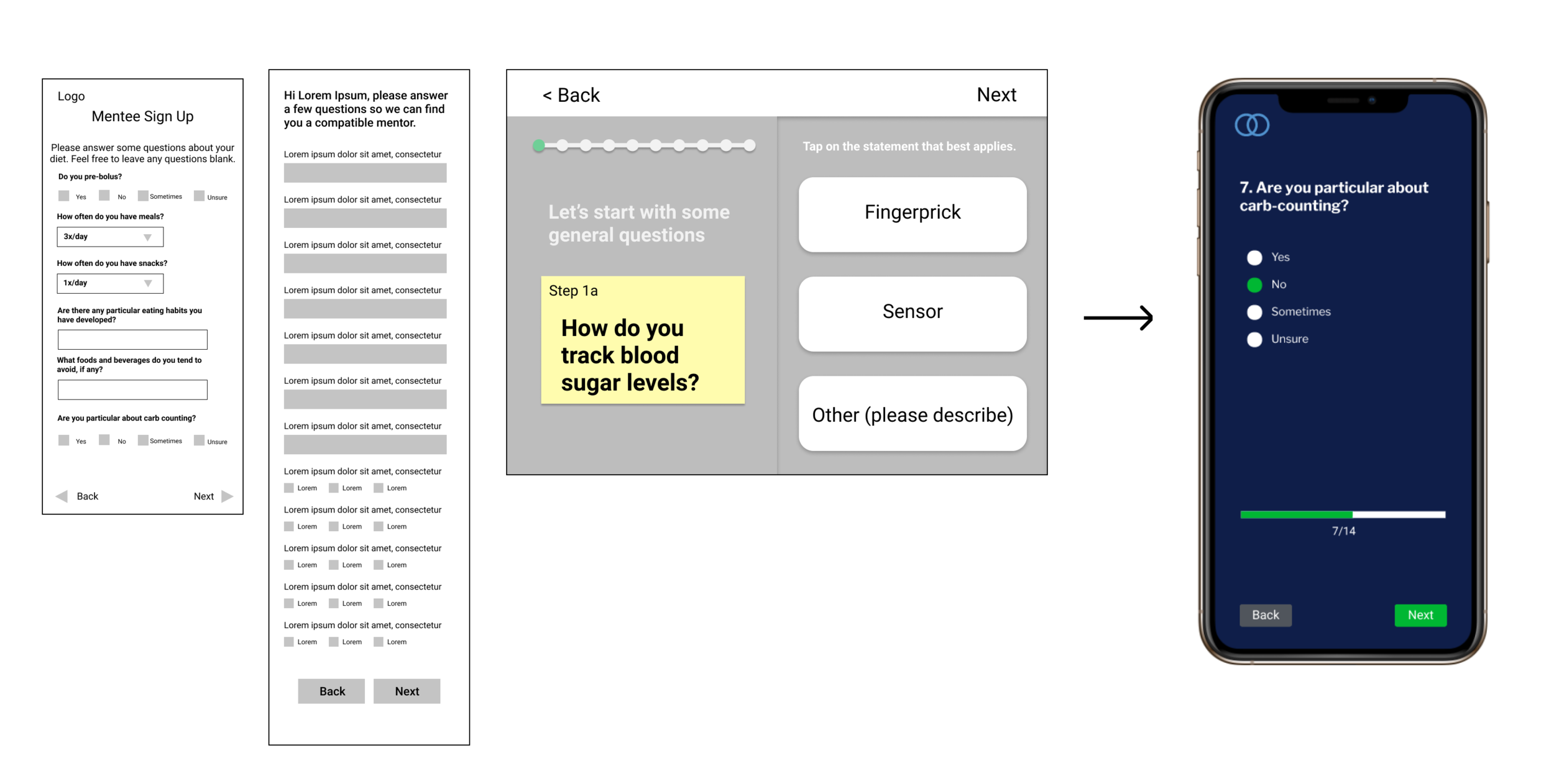
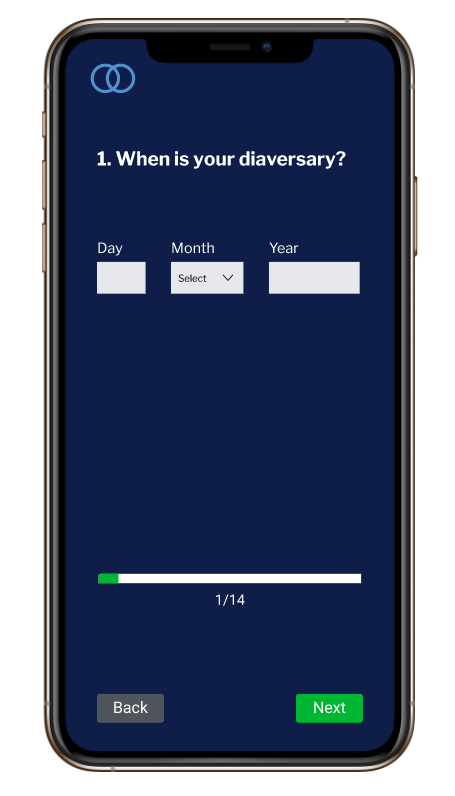
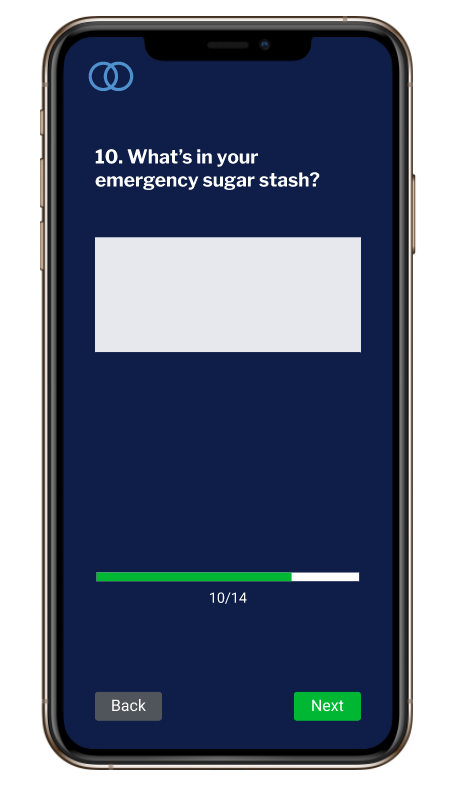
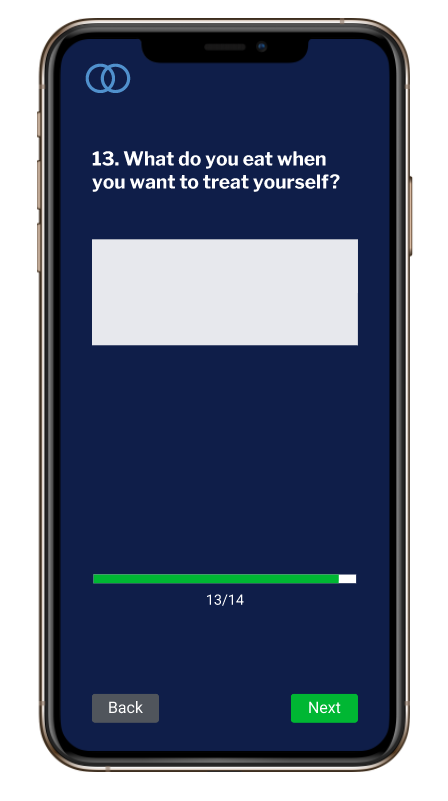
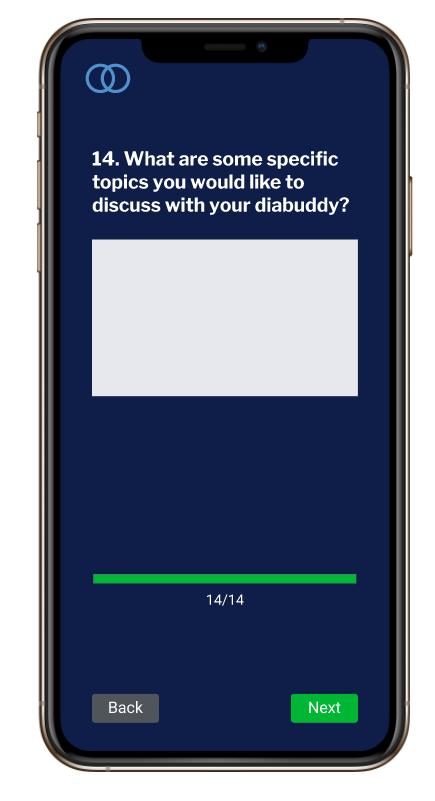
We changed the survey questions from long-form scrolling pages to each question being presented to the user on a different screen. This made the process simpler, less overwhelming, and the user was aware of how many questions they had left due to our progress bar. We also made as many questions multiple choice as possible so users wouldn’t get deterred from the amount of typing. Our survey questions included a mix of diabetes management related questions as well as personality/hobby questions because we learned successful Diabuddy relationships should ideally have more in common than just diabetes.
Step 2: Find potential Diabuddies
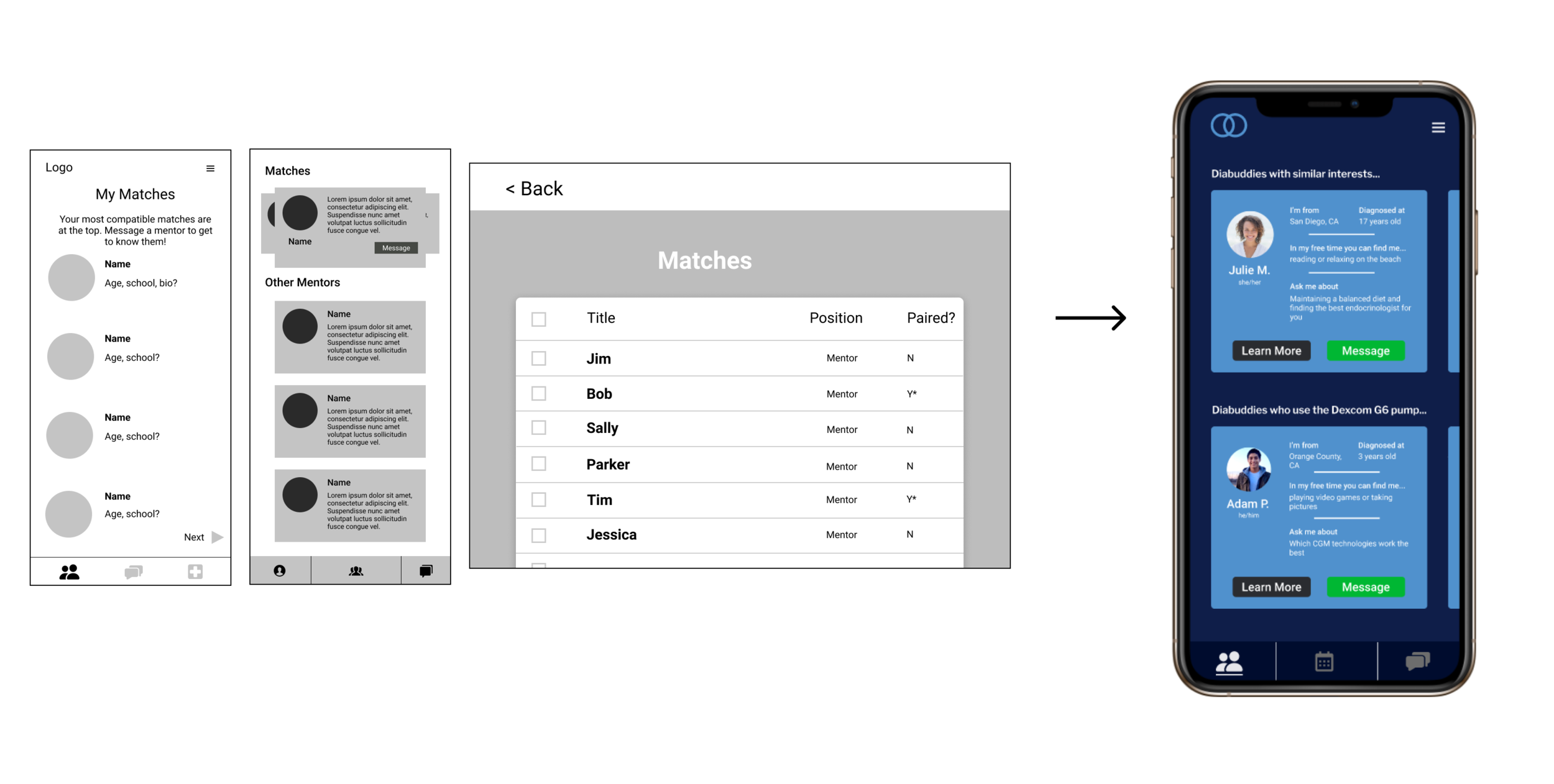
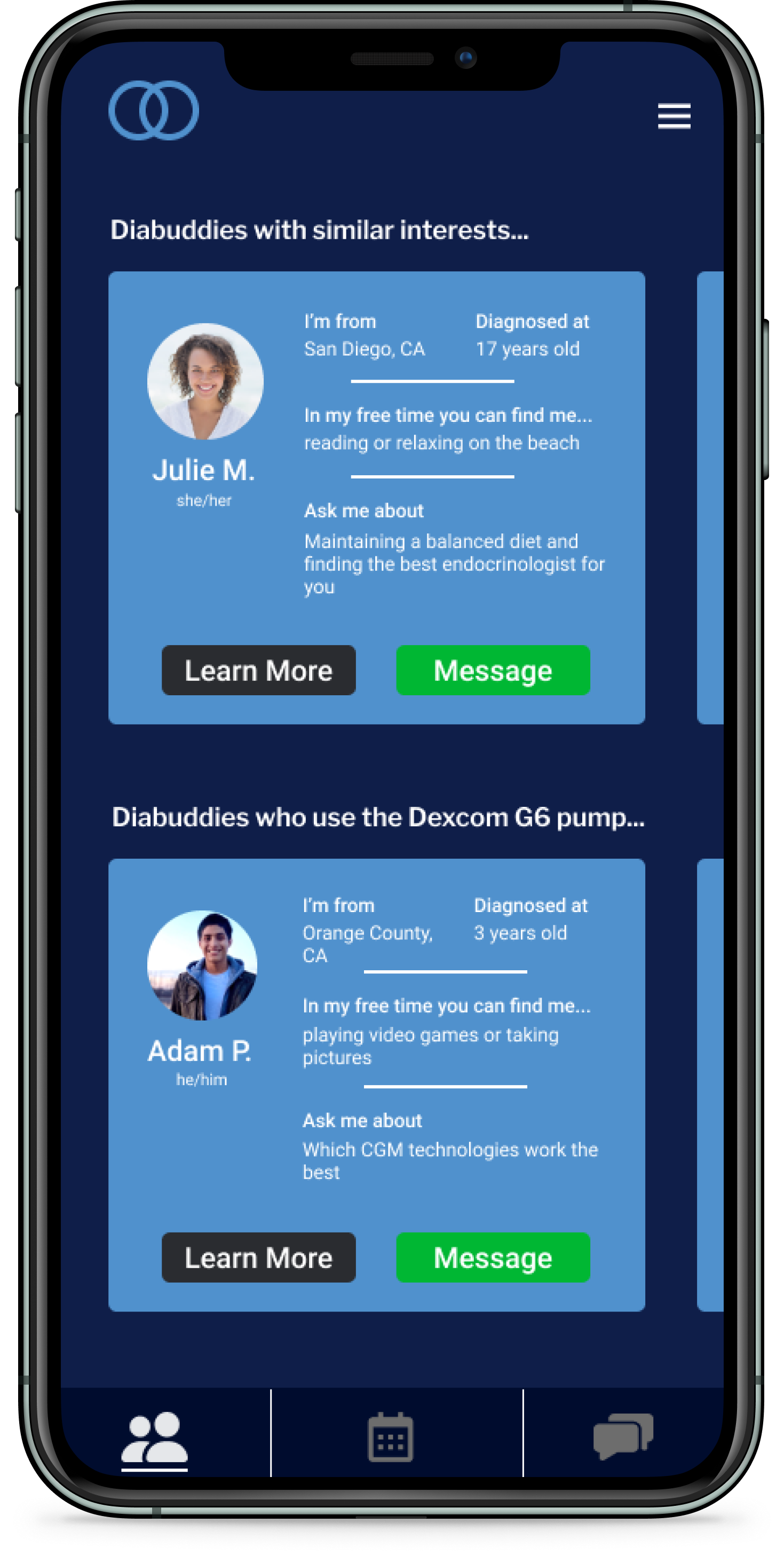
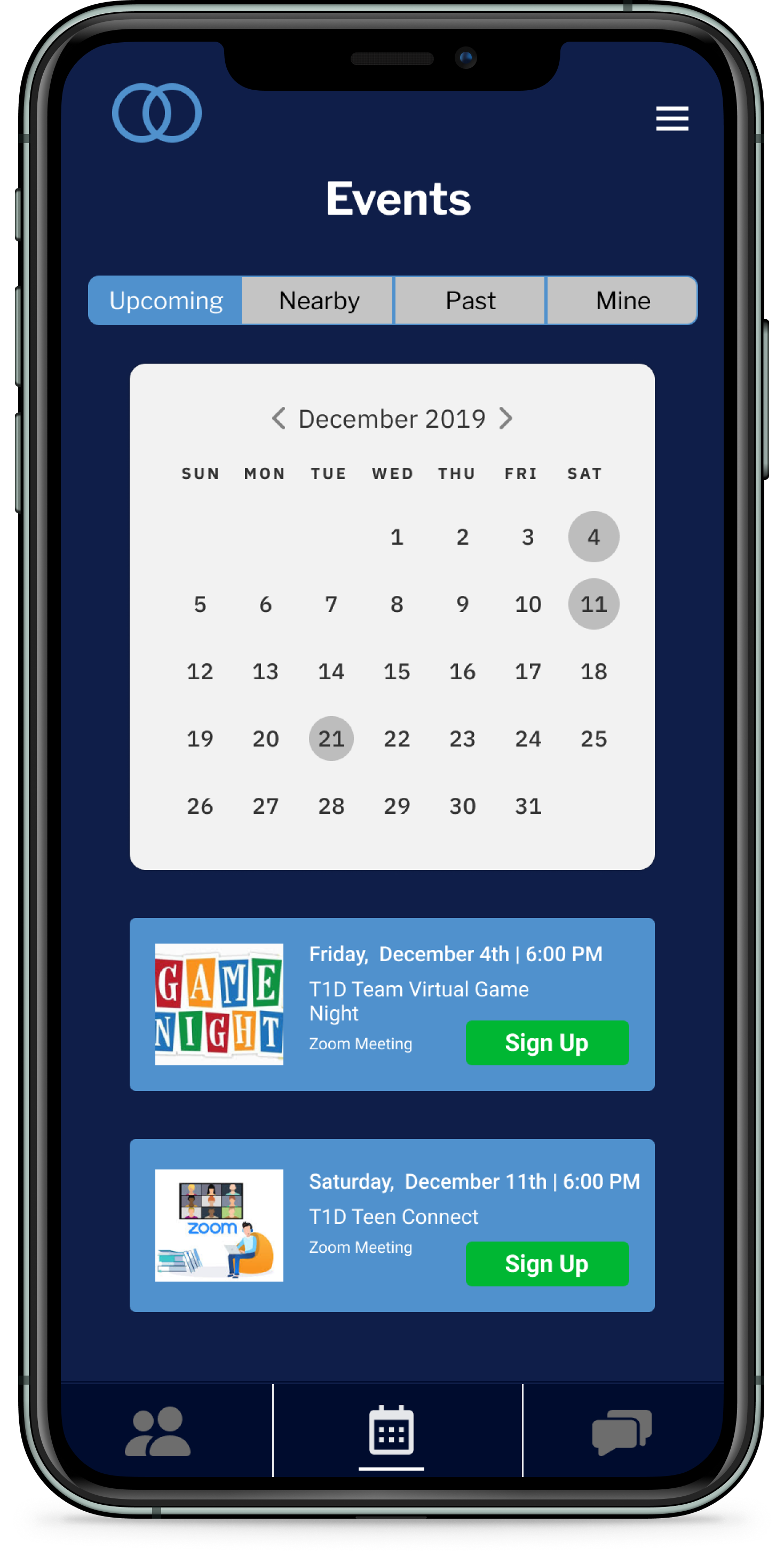
Our Diabuddies screen has potential mentors that a mentee can message and connect with. The mentors at the top have the most similar answers to the initial survey questions as the mentee. The mentee can also find a Diabuddy by a specific category, such as people who use the same CGM pump, take the same type of insulin, or have a similar dietary requirement.
Step 3: Message a Diabuddy
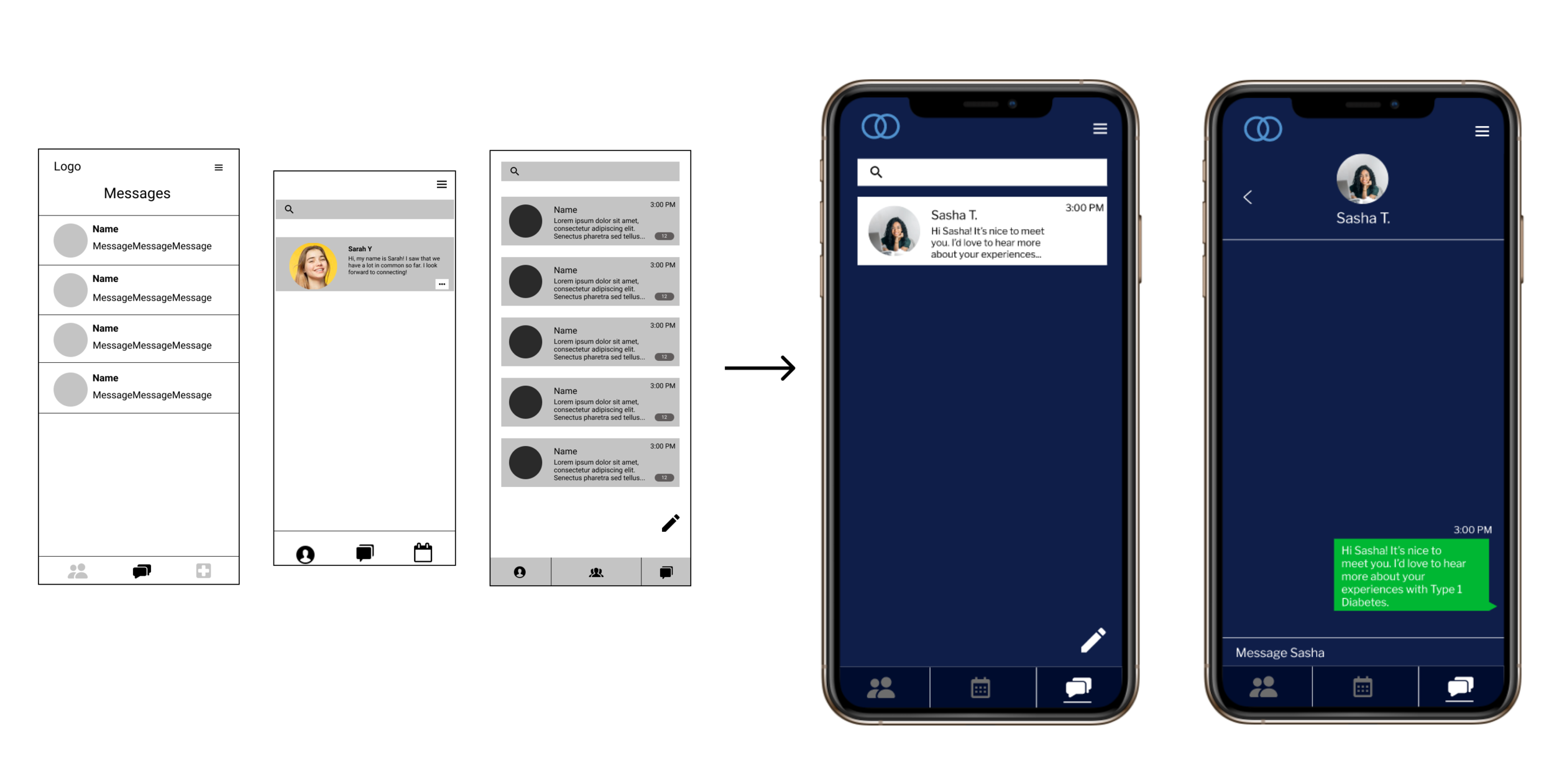
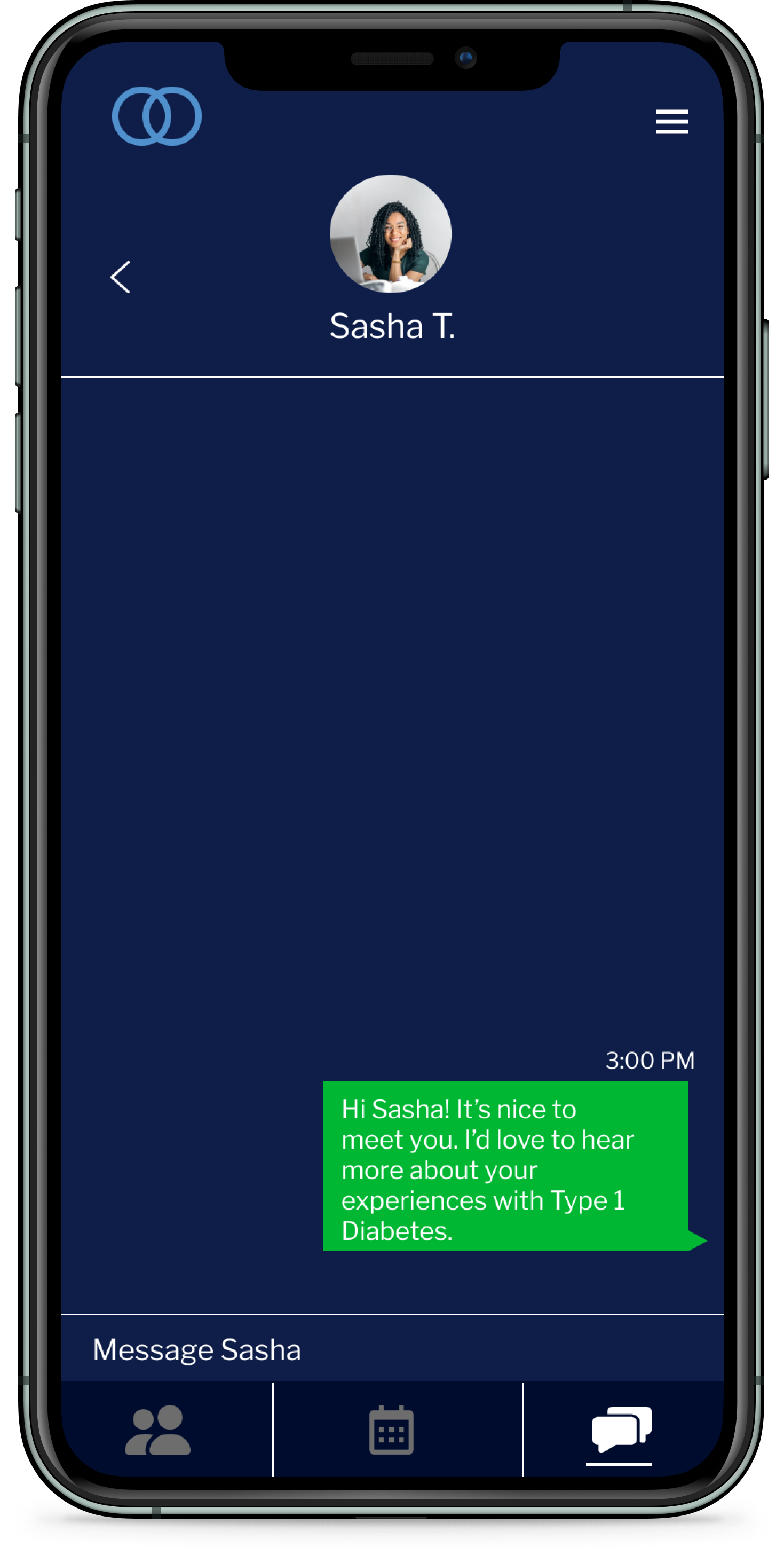
Mentees can keep track of their messages with their Diabuddies. They are free to message as many mentors as they’d like.
Our logo
According to Diabetes Advocacy, On December 20, 2006 the United Nations passed the “World Diabetes Day” resolution which recognized the blue circle as the symbol of diabetes worldwide.
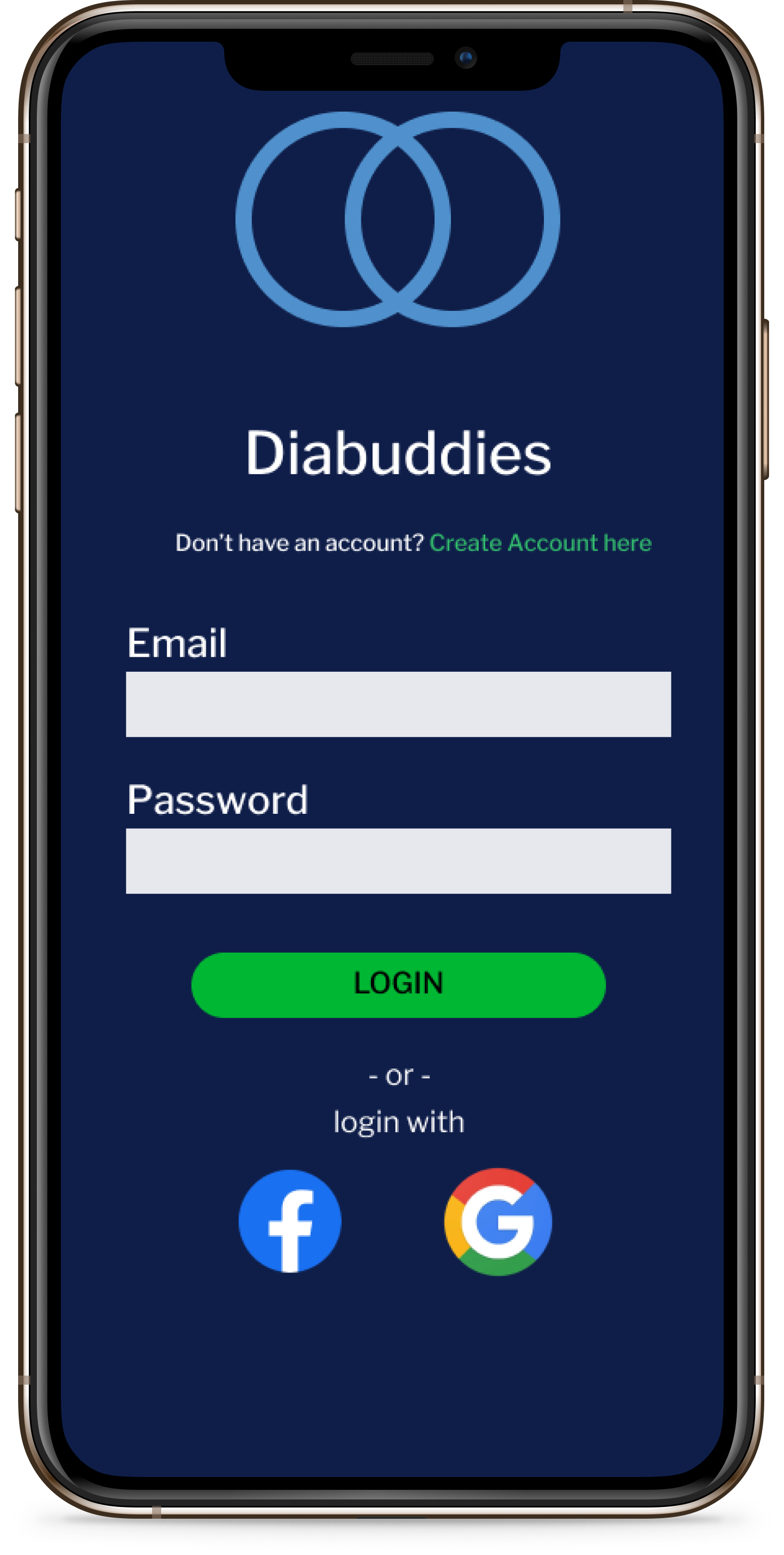
We decided to incorporate the symbol for diabetes in our logo, by intertwining two blue circles to represent a Diabuddy relationship. It also looks like a venn diagram, signifying the similarities and differences Diabuddies have with one another.
Concerns we addressed
About twice a week, our team had meetings with members from the Loop & Learn community as well as people from our target audience to get feedback and make sure that our app was on the right track. After showing these stakeholders our initial wireframes and feature ideas, we were told of two concerns we should address:
Diabuddies looked like a dating app
In our initial wireframes, we displayed mentors with the most in common to the mentee as “matches”. In our final prototype, we got rid of any language referencing “matches” and instead replaced it with “potential Diabuddies”. We also changed the language in our survey questions to be more diabetes-specific, such as asking people what was in their emergency sugar stash and when their Diaversary was.
2. The app needed special features for minors
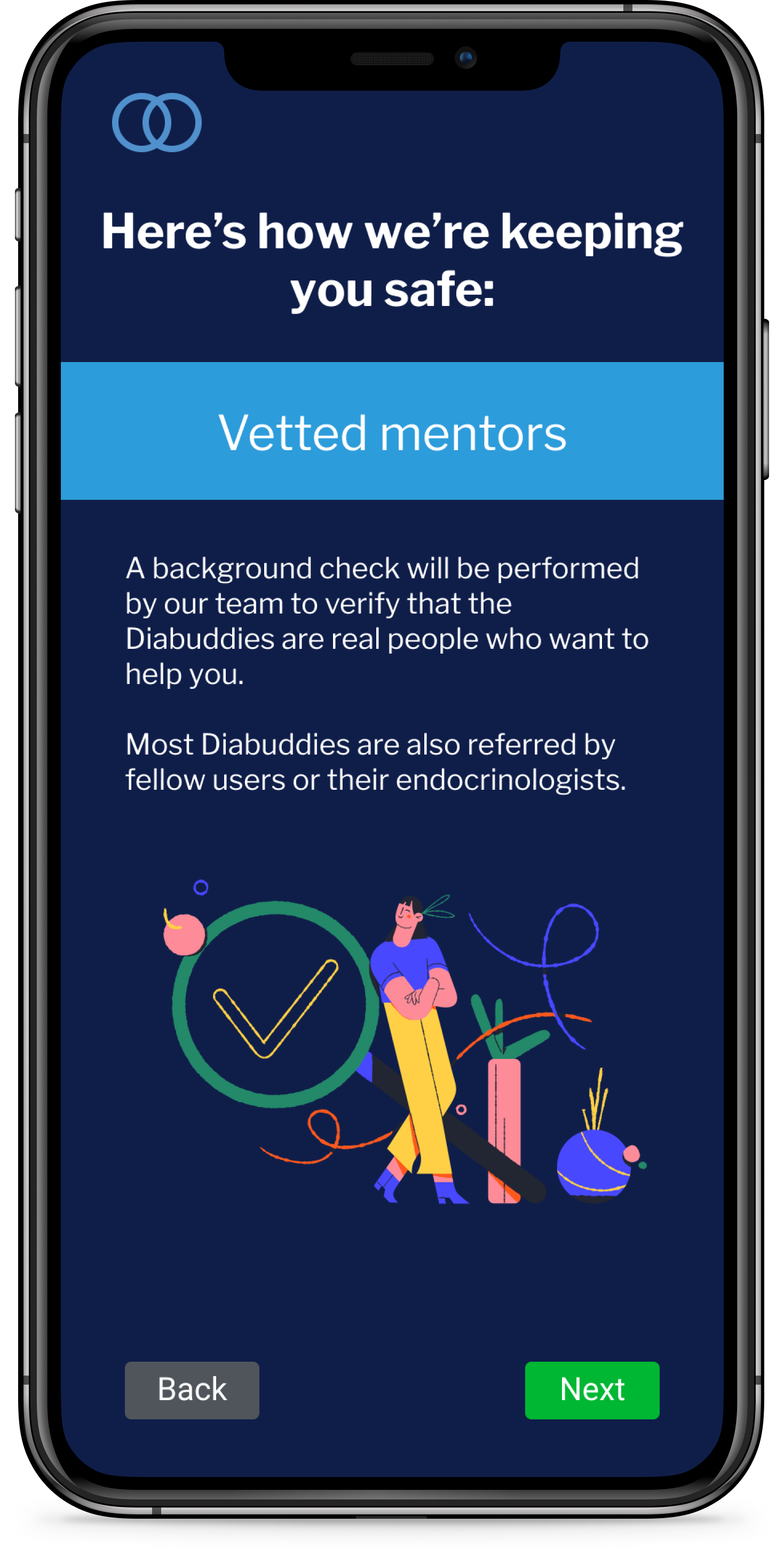
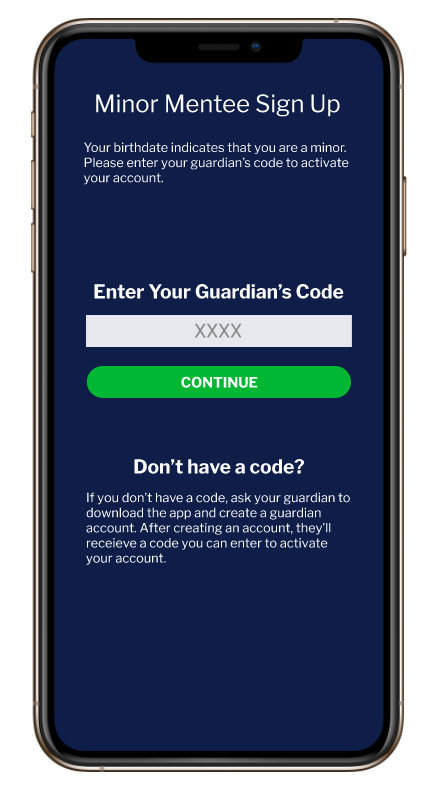
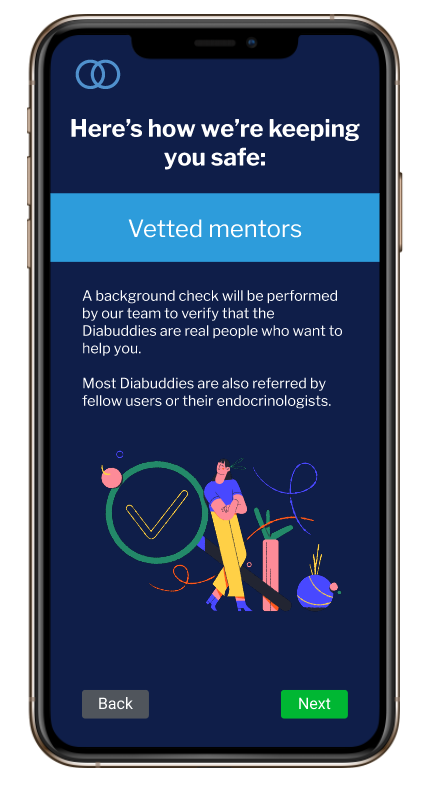
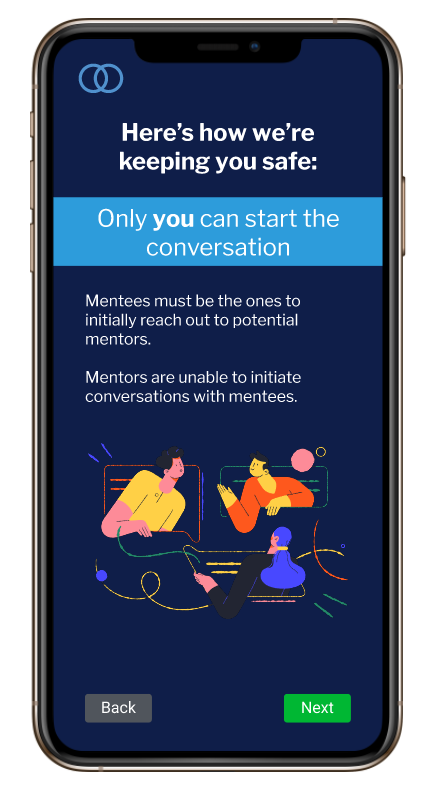
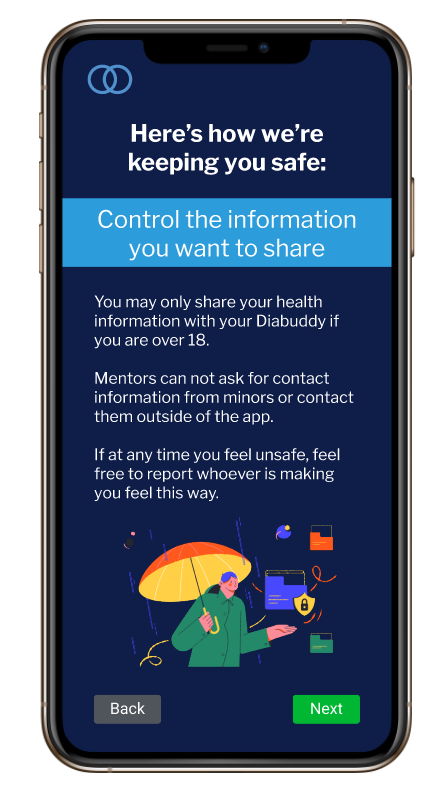
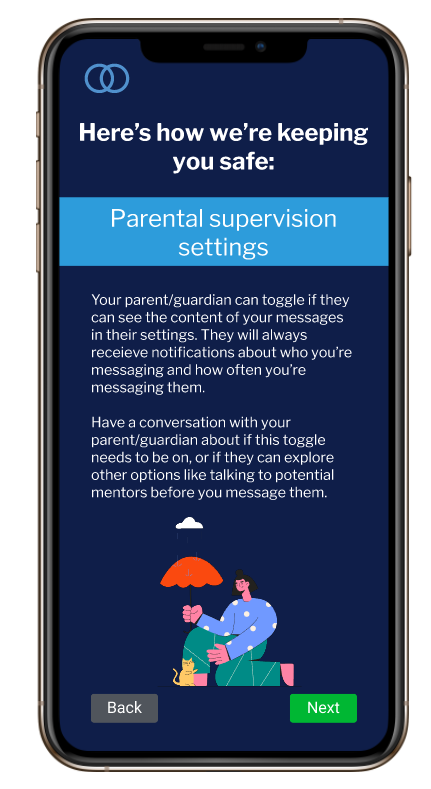
We designed privacy features with users under 18 in mind. For example, a minor would need their parent or guardian’s permission to sign up as a mentee on Diabuddies, and their parent or guardian would have the ability to see who their child is messaging and monitor their messages. We explained these features to minors in the onboarding process in order to create a safe, transparent experience for them.
Final Prototype
Interact with our final prototype by clicking the phone screens or use your computer’s arrow keys to navigate through the app.
Results & next steps
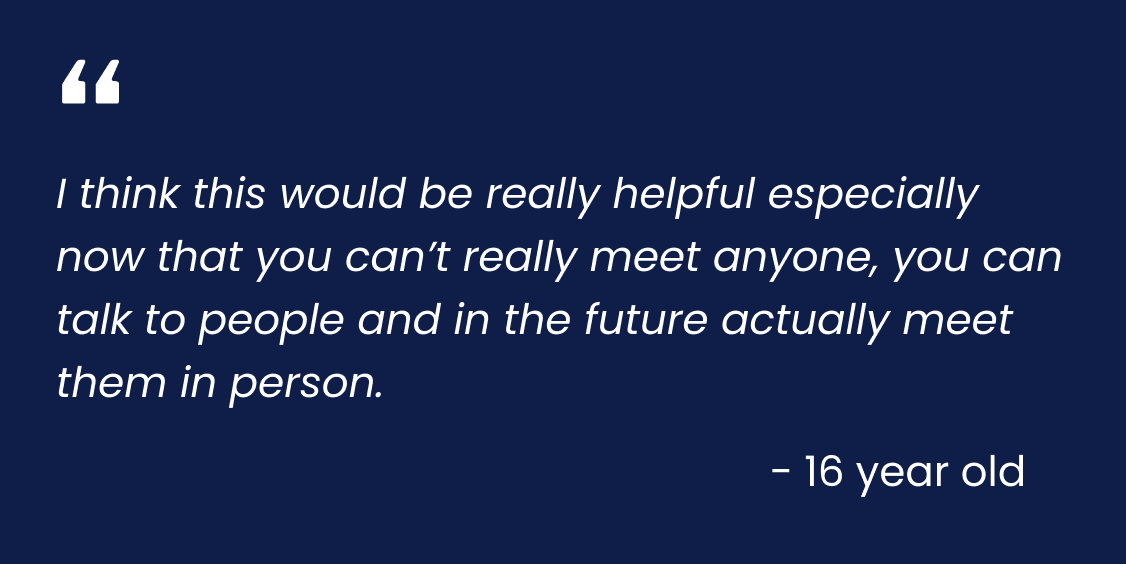
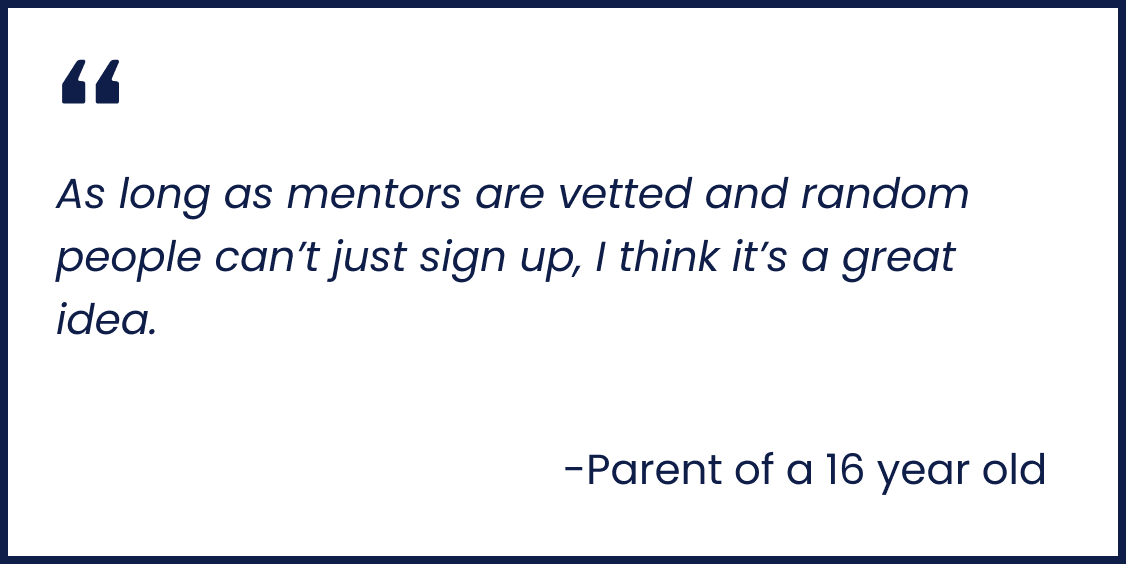
We tested our final prototype on members of our target audience, including mentees, mentors, and parents. Overall, we received positive results:
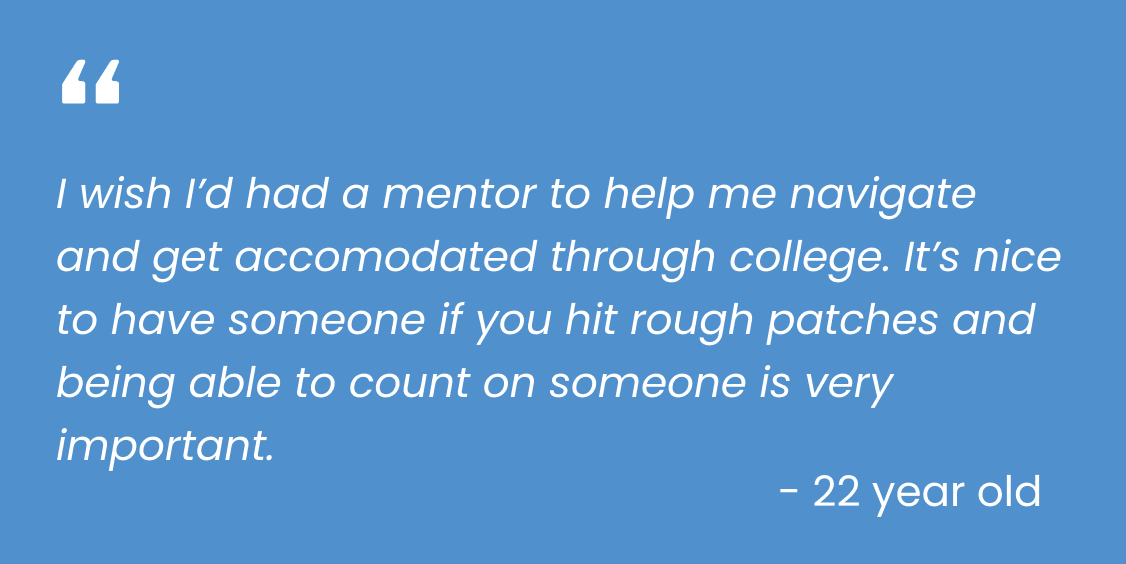
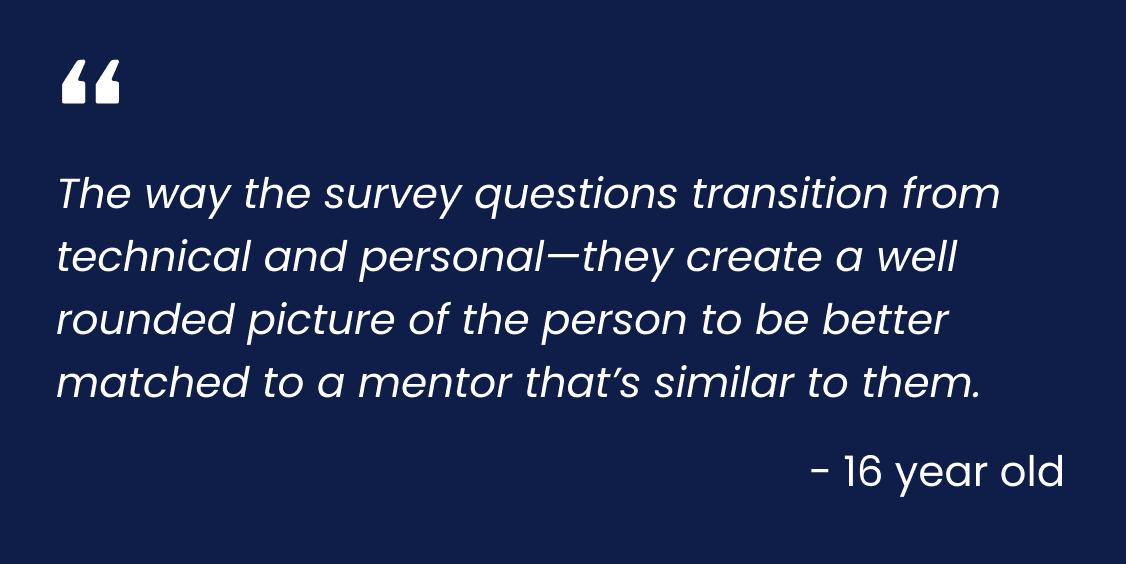
Our next steps would be to iterate the prototype using the feedback we received from our first round of user testing. Through our research and testing, we have demonstrated that there is a need and want for this type of app in the community. If put in the hands of programmers & T1D community leaders who want to develop this app further, we believe Diabuddies could help improve the T1D experience for many young people transitioning from adolescence to adulthood.